Why a cold snap does so much damage here
In a state where winter is a few cold weeks, builders do not insulate plumbing for a hard freeze. Supply lines run through attics, exterior walls, garages and vented crawl spaces. Most years that is fine. Then one night the temperature drops to the teens, holds there for a day, and every unprotected line in the county is at risk.
A pipe does not burst when the water freezes. It bursts when the ice blocks the line and pressure builds between the ice and the faucet. The split is often upstream from where the ice sits. The pipe can look intact until the thaw, when water pours out through a crack that has been open for hours.
Where the water goes after a thaw
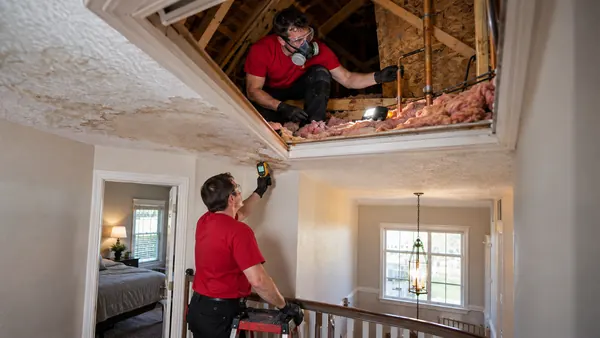
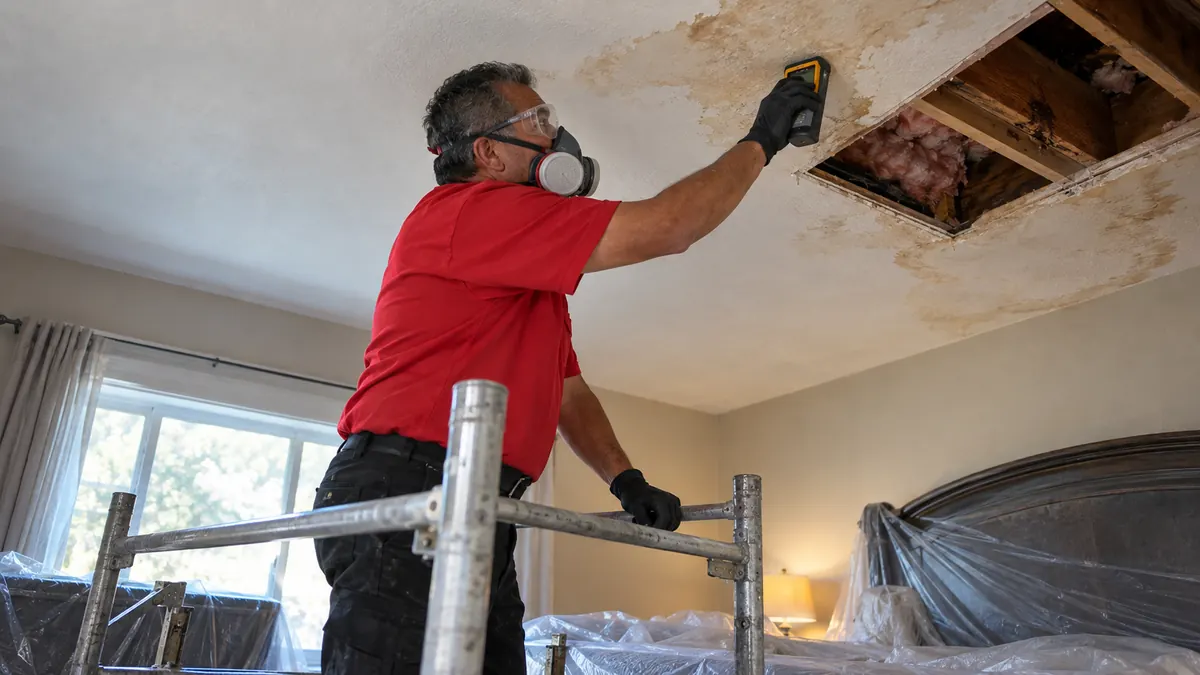
The worst damage is not the burst. It is the spread. A split line in an attic over a two-story house soaks the insulation, comes through the ceiling and runs down inside the walls. It can reach the first floor before anyone notices. A split in an exterior wall can soak insulation and the bottom of the drywall for several feet.
In crawl spaces, a burst can run under the house for days. We have seen it hide under a floor until a neighbor noticed water in the driveway. That is the vacant-house problem, and it deserves its own section.
Why empty houses go first
A lived-in house has heat and a person. Someone is up at night, the furnace is running, and a faucet may be dripping because they were told to. An empty house has none of that. Maybe the thermostat is set low to save on bills. Maybe the heat is off while the house is listed. Maybe it is a second home that nobody has visited since November.
The water runs until someone finds it. In a three-level house, that can be three floors of soaked ceilings, walls and flooring, plus a mold risk. If the home is a rental between tenants, a listed house or a seasonal property, the delay can cost a closing or a lease.
What to do before the forecast turns
Know where your main shutoff is, and test it. Insulate any pipes in attics, garages and exterior walls that you can reach. Let faucets drip on exterior walls during a hard freeze. Open cabinet doors under sinks on outside walls to let warm air in. Keep the thermostat at 55 or higher. Disconnect and drain hoses and cover the hose bibs.
If you are leaving a house empty, the safest option is to have a plumber winterize it, which means shutting off and draining the water system. The next option is to keep the heat on, shut off the water at the main and have someone check in on the house. Ask your insurance agent whether your policy has rules about vacant or unoccupied homes, because some do.
If a pipe has already split
Shut off the main water valve first. Then turn off power to the wet area if you can do so safely. Do not turn the heat up all at once. A rapid thaw can stress cracked pipes. Open the faucets so water has somewhere to go as the ice melts.
Take photos of everything, including the split pipe and the wet areas, before anything gets moved. Call a plumber to repair the line and a drying crew to extract the water. Those two should happen together if possible. A repaired pipe in a soaked house is still a problem, and the framing keeps absorbing water until it is dried.
What we do on a freeze job
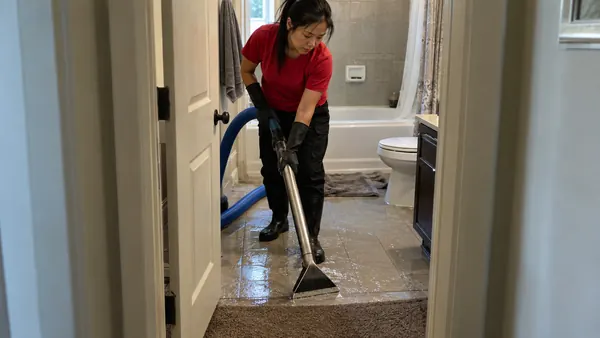
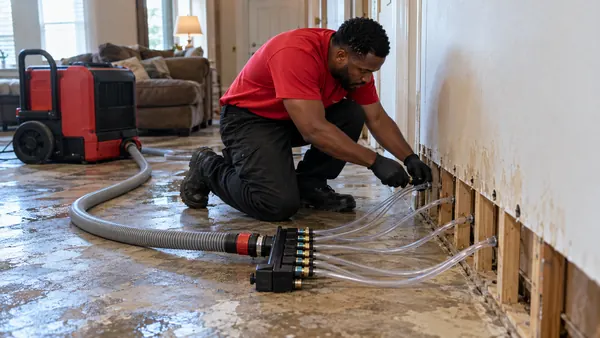
We start with extraction, then open the wet walls and ceilings and remove soaked insulation. We run dehumidifiers and air movers, and in cold weather we use heat to help evaporation. Every day we read the wood and drywall and move the equipment. If the house is empty, we send photos and readings to the owner or the manager.
When the structure is dry, we hand over a record. That includes the moisture logs, the photos and the scope, so the owner and the carrier can follow what happened. Rebuilding, painting and flooring come after.
Quick answers
At what temperature do pipes freeze?
Pipes in unheated spaces can freeze when temperatures stay around 20 degrees Fahrenheit or lower for several hours. Wind and poor insulation make it happen sooner.
Should I drip faucets in a freeze?
Dripping a faucet on an exterior wall helps keep water moving. It is not a guarantee.
Does homeowners insurance cover a burst pipe?
Sudden pipe bursts are often covered. Rules may differ for vacant homes, so read your policy and call your agent.
How long does a vacant house freeze job take?
Extraction and removal happen in a day or two. Drying usually takes three to seven days, depending on how many floors were affected.