
Groundwater near the creeks
Suwanee has silty clay loams that sit over shallow rock in many places. Water moves through the upper soil but runs into the rock and stops, so in wet weather the water table rises close to the surface.
Near the creek buffers and the greenways, wet soil vapor pushes upward into the crawl space or under the slab, and it does not stop when the rain does.
Newer homes, same problem
Most Suwanee homes are newer, including master-on-main layouts and traditional builds. Builders often vented the crawl spaces and left the soil bare or covered with thin plastic.
Constant moisture rising into an unconditioned subfloor leads to cupped hardwood, damp insulation and mold. The house looks nearly new while the wood under it stays wet.
Problems Suwanee homeowners run into
- Moisture rising from a high water table
- Near the creek buffers the ground stays wet long after rain. The moisture moves up into the crawl space and the subfloor, even when no pipe has leaked.
- Rotting subfloors in newer homes
- A house ten years old can have damp joists if the soil underneath was left bare. The first sign is a spongy spot in a bathroom or a cupped hardwood board.
- Insulation that falls and holds water
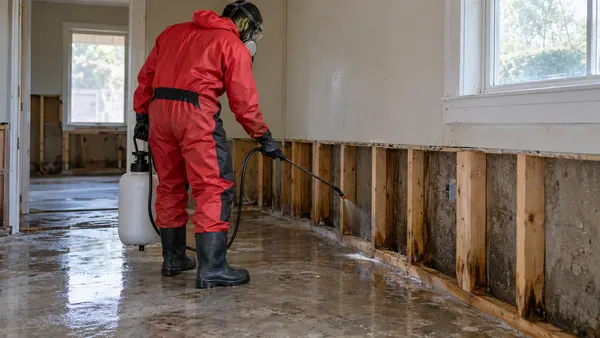
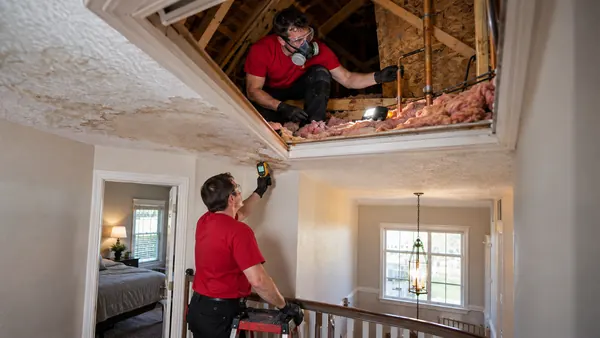
- Wet fiberglass sags from the subfloor and traps moisture against the wood. It has to come out before the framing can dry.
- Wastewater leaks under the house
- A cracked drain line in a wet crawl space can go unnoticed because the water table hides the extra water.
A typical Suwanee call
A homeowner in a master-on-main house about ten years old calls because the floor in the main bath feels soft near the tub, and the house smells earthy after rain. The house looks new, and nothing has leaked that they can find.
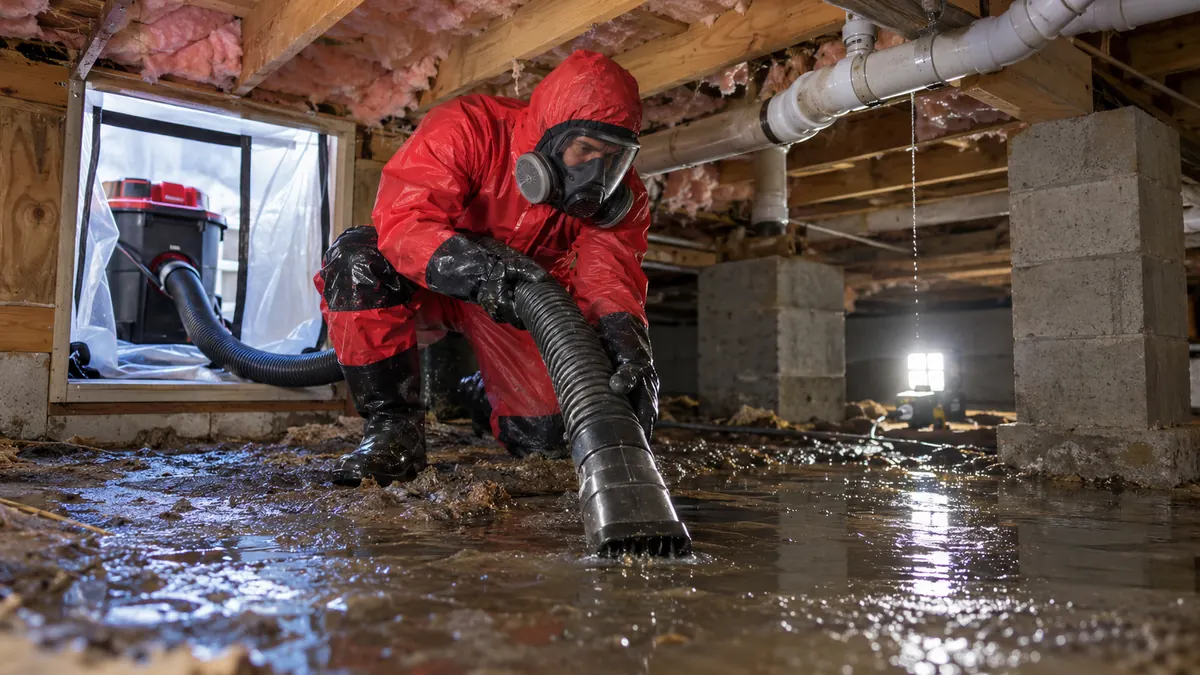
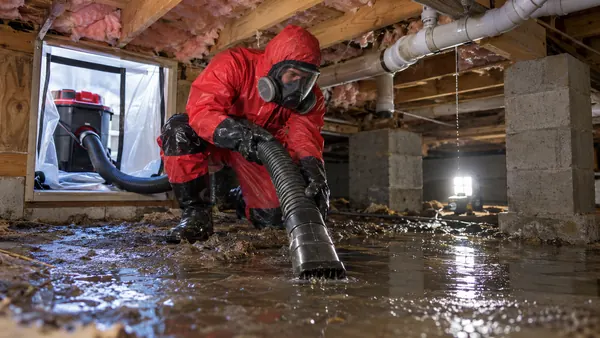
In the crawl space we find bare soil that is wet two days after the last rain, fiberglass sagging from the subfloor like a hammock, and a damp patch of joists under the bath. The moisture meter reads high across the whole east side. This is groundwater moving up, not a plumbing leak.
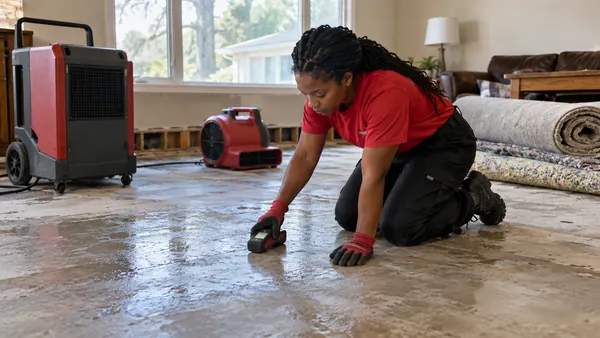
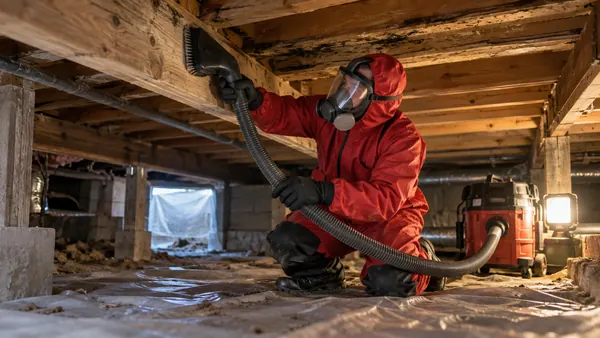
We remove the wet insulation, clean the joists and subfloor, and run dehumidifiers until the wood reads steady. The report does not stop there. It says the water table is the source, shows the readings by location and recommends the owner ask a drainage contractor about perimeter drainage and a ground cover before the next wet winter.
Signs of a high water table under the house
Near the creeks and greenways, the ground can stay wet long after the rain stops. The crawl space tells the story first, and a hygrometer from a hardware store is a cheap way to check.
Tell us what you see when you call. A few details change how we plan the dry-out.
- Damp soil in the crawl space two days after rain
- Humidity above 70 percent under the house
- Squeaky or soft spots in floors above
- Insulation that has fallen or feels wet
What we tell Suwanee homeowners
Newer homes are not immune to damp. A house can be ten years old and still have bare soil under it that stays wet, because the lot sits low or near a creek.
We tell owners what we measured, even when it is good news. If the crawl space is stable, we say so. If the water table is the source, we point you to the trades that deal with drainage.
How the year goes in Suwanee
Water tables peak in late winter and spring, so crawl spaces are wettest then. Summer humidity keeps joists damp. Fall is the right time to look under the house, because the ground is at its driest.
Winter and burst pipes in Suwanee
Newer Suwanee houses have big windows and lines that run along exterior walls to kitchen islands and bars. Master-on-main homes that sit empty during a listing are the other risk, because a burst pipe in a vacant house can run until someone stops by.
Water Damage Restoration Cost in Suwanee, GA
Suwanee crawl space and subfloor work follows the bands below. They are typical estimates, not guaranteed prices. Drainage or encapsulation is a separate trade.
| Job type | Typical estimate |
|---|---|
| Crawl space mold cleaning and drying | $2,000 – $7,500 |
| Sewage cleanup in a crawl space | $2,500 – $9,000 |
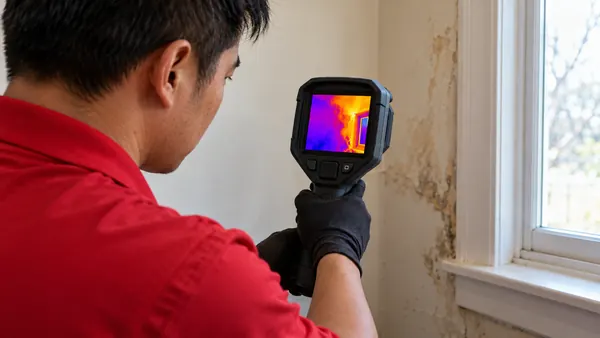
| Thermal scan for wet subfloor | $250 – $900 |
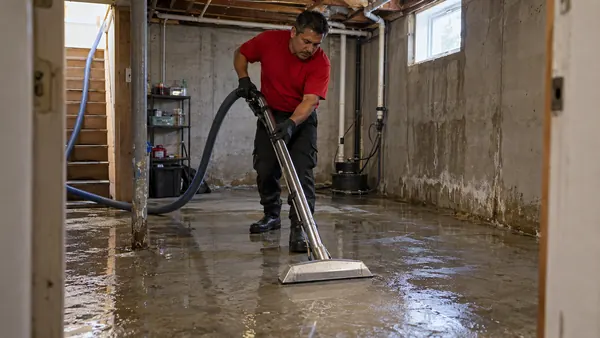
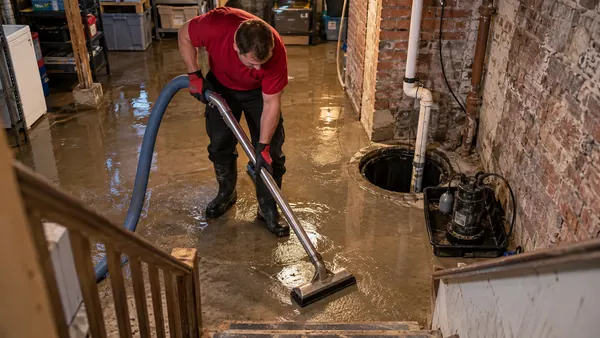
| Clay-seep or groundwater pump-out | $1,200 – $3,000 |
| Vacant home freeze or leak response | $3,000 – $15,000+ |
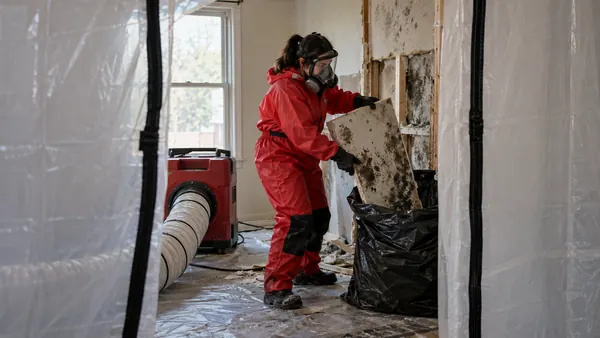
| Mold removal in living areas | $1,500 – $8,000 |
Typical estimates, not guaranteed prices. Plumbing, drainage and rebuilding are separate. Call for an exact quote.
What we get called for in Suwanee
- Crawl Space Mold Remediation & Framing SanitationWet subfloor and joists in crawl spaces over high groundwater.
- Crawl Space Sewage & Category 3 DecontaminationWastewater leaks that pool in wet crawl spaces.
- Vacant Property Freeze Damage RestorationMaster-on-main homes left empty during listings or travel.
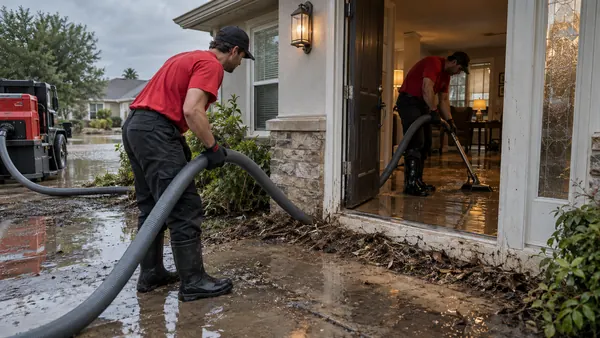
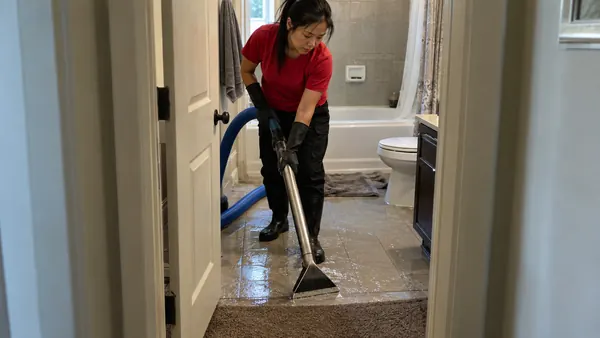
- Hydrostatic Clay-Bowl Water ExtractionGroundwater seeping through slabs and walls.
Questions from Suwanee homeowners
Why is my crawl space always damp?
A high water table and bare soil keep moisture rising. Vents let in humid air that adds to it.
Is a dehumidifier enough?
Sometimes, but drainage often matters more. We tell you what we see and suggest the right trades.
Can you repair rotted joists?
We flag them. A carpenter replaces them.
Do you work near the greenways?
Yes, across Suwanee.
Nearby communities we also cover
Suwanee borders Duluth and sits near Peachtree Corners. The creek-side neighborhoods share a similar water table, and so do their moisture issues.