Where the number comes from
People in our trade repeat a rule: after water gets into a building, you have 24 to 48 hours before mold starts. It is not a stopwatch. Mold spores are already in the air of every house, waiting for moisture and something to eat. When materials get wet and stay wet, some begin to grow within a day or two.
We stick with the rule because of what it does to behavior. If you believe you have a week, you wait for the weekend, wait for the adjuster and wait for a good time. If you believe you have two days, you make the call tonight. In Georgia, the second belief saves money.
Why the climate shortens the clock
In dry climates, wet drywall can dry on its own in a few days. In Gwinnett in July, the air outside is nearly as wet as the drywall inside. There is nowhere for the water to go. A wet carpet in a closed house in August stays wet, and the pad underneath is a perfect feeding ground.
Air conditioning helps and hurts. It lowers the humidity inside, which slows growth. It also creates cool surfaces such as ducts, window sills and exterior wall interiors, and warm humid air condenses on them. A house can grow mold without any leak at all.
What mold needs to start
Mold needs three things: moisture, a food source and some warmth. Houses supply the last two without trying. Drywall paper, wood, insulation backing, carpet pad and dust all feed mold. The only variable we can control is moisture.
That is why a damp materials reading matters more than a smell. When we read drywall or framing, we compare the number to dry material in the same house. If the wet reading stays above the dry reading for more than a couple of days, we treat it as a mold risk, even if nothing is growing yet.
What to do inside the window
Stop the water. Close the valve, turn off the appliance, pull the plug on the pump. Then get the free water out of the house. A wet vac is fine for a small spill on a hard floor. For anything bigger, call a crew.
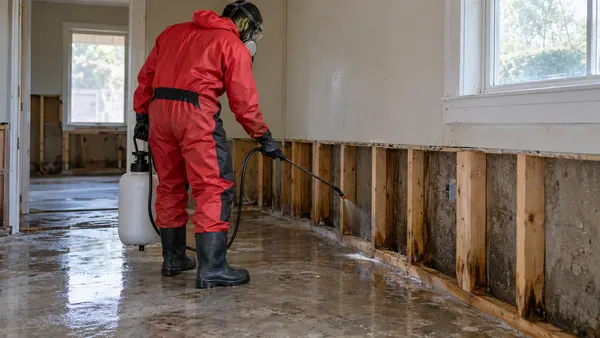
Next, pull what holds water. Wet carpet pad, boxes on the floor, rugs, and the soaked bottom of drywall. Keep air moving only if the air outside is drier than the air inside. If you are not sure, keep the house closed and run the air conditioning and a dehumidifier. Take photos before you move anything, so your claim has a record.
When the window has already closed
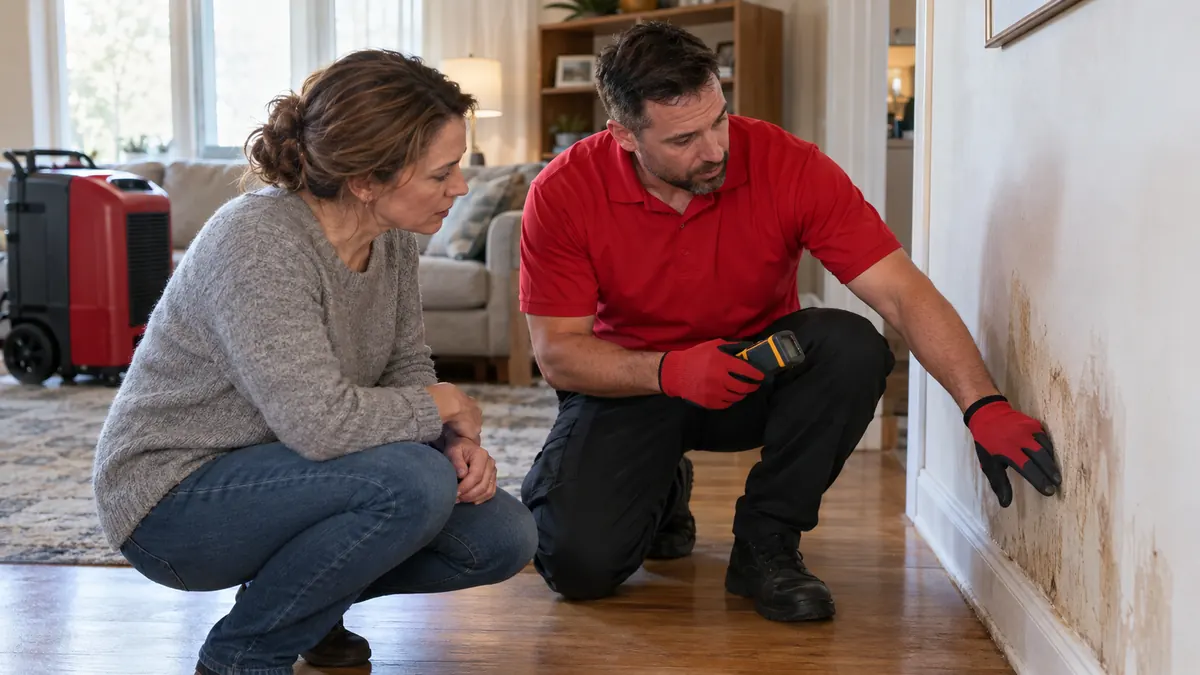
Many calls arrive on day five or day ten. A homeowner found a stain, or a smell, or a bubbled baseboard. By then the damp is behind the wall. The important thing is not to scrub the surface. Disturbing visible growth can release spores into the rest of the house.
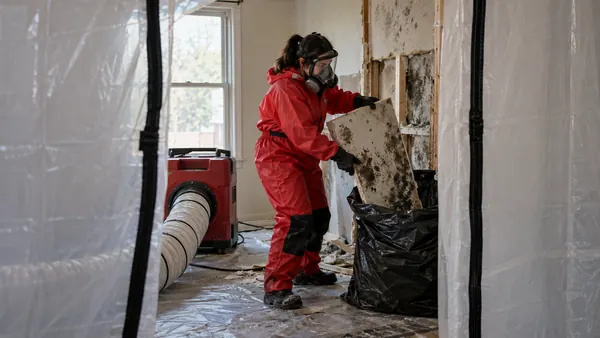
We start with a moisture map. A thermal camera and meters show how far the water went. If growth is present, we contain the area, run HEPA air scrubbers, cut out the damaged material, clean the framing and dry the cavity. After that comes the part that people skip, which is verifying that the readings are stable.
The crawl space version
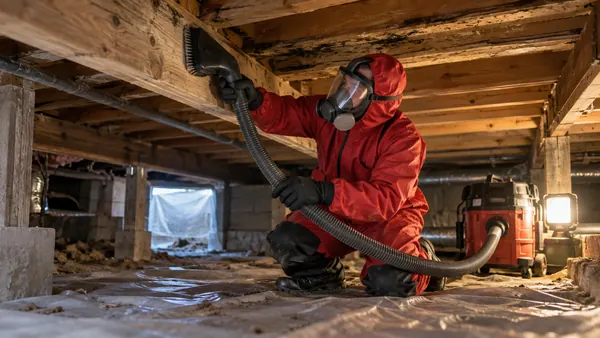
The same clock runs under the house, only slower and unseen. A vented crawl space in a Georgia summer can hold the moisture content of its wood above the level where mold grows for months. The first sign is often a musty smell in the floor vents, or doors that stick in August.
If you suspect it, look from the access point with a flashlight. You are looking for torn plastic barrier, fallen insulation, damp soil, condensation on ducts and dark spotting on joists. Do not crawl in if there is standing water. Call us and send photos. A crawl space cleaning goes better when it is planned, not rushed.
What not to do
Do not bleach a wet wall. Bleach lightens the surface and leaves water in the material. Do not paint over a stain. Paint seals the moisture in. Do not run a household fan at a moldy wall, because it spreads spores. Do not seal a damp crawl space and walk away.
And do not assume a clean-looking house is dry. We have read wet framing behind walls that looked perfect. A meter does not lie, and a few minutes with one is cheaper than a mold job.
Quick answers
Does mold always start within 48 hours?
No. It depends on the material, the temperature and how wet it is. In humid Georgia weather, 24 to 48 hours is a good working limit.
Can I dry a wet wall with a fan?
A fan alone rarely dries a wall cavity. Moisture inside needs a dehumidifier and sometimes small access holes or removal of the wet material.
What is the first thing to do after a leak?
Stop the water, remove standing water and wet materials, and call a drying crew. Take photos first.
Is visible mold the only sign?
No. A musty smell, stained paint, cupped floors and condensation can all point to hidden growth.